 Sherman & Plano, TX Criminal Defense Lawyer Blog


As Rick James said, “cocaine’s a helluva drug.” Federal crack-cocaine defendants can tell you it is much more dangerous than even Rick knows.
Crack-cocaine is the most harshly treated drug in the Federal criminal system. However, the Fair Sentencing Act of 2010 modified the super-unjust 100-1 crack-to-powder ratio for Federal guidelines and mandatory minimum sentencing purposes. Under the old law, drafted in the 80s during the so-called “crack cocaine epidemic,” the drug known as the cheap inner-city minority drug was punished by law 100 times more harshly than powder cocaine, known as a white, upscale drug. So, a person possessing or delivering 5 grams of crack-cocaine would face the same 5 year mandatory minimum sentence as a defendant possessing or delivering 500 grams of powder cocaine.
However, the new law reduces the crack-to-powder ratio from 100-1 to 28-1, so only about a fourth as racist as before. There is no evidence to my knowledge, and I cannot conceive, that crack is 28 times as addicting as powder. Twice, maybe three times is possible because Crack is a more pure form of the drug. But, crack cocaine defendants in the Eastern District of Texas, primarily minorities forum-shopped from the Dallas Division to the very Conservative Sherman Division, can sleep slightly better at night. The act was silent on whether it applies retroactively, i.e. to people already sentenced under the old laws.
 With the horrific news of the shooting of a United States Congresswoman and other innocent bystanders, many are asking whether and when her shooter will get the death penalty. The Federal Death penalty, although rarely carried out, is available for many types of crimes.
  I was sitting at court last week when I overhead a non-lawyer assistant at a district attorney’s office giving someone charged in a criminal case (a case that would be very hard to prove) advice about their case. Apparently, the person had somehow “waived” their right to an attorney and wanted to speak with the prosecutor’s office. She was getting advice on how long she would sit in jail when she “booked in and booked out” on her charges, which prompted me to ask why she didn’t have a lawyer. Texas law now requires courts to inquire as to waivers of attorneys and the court should ensure that the waiver is voluntarily, and the prosecutor’s office is not to encourage people to waive counsel. However, these new rules don’t mean much when citizens accused are afraid to ask for a lawyer to talk about their case.
 Last week I had the pleasure of defending one of the finest young men I have ever represented. He was falsely accused of a horrible act and we were fortunate to have a wise jury who listened very attentively to our evidence and came to the correct conclusion. I am very glad this young man will forever have this accusation removed from his name and it never be spoken of again except by those who unlawfully attempted to do him a grave harm. He was very brave in insisting on his day in court in face of a very long potential sentence if convicted. Much thanks to all who helped me brainstorm our case.
 I have much to be thankful for this Thanksgiving in Sherman, Texas. I am most thankful that I have such a good family support network in all I do, and that my family understands what I do for a living. It is sacrifice to work all the time to be a better lawyer and do the best job possible in each case, but it puts strains and distance on your relationships. However, the relationships with those you work for and work with grow and improve and it makes a difference in the long run. I heard a lawyer the other day say how hard they work NOT to get close to their clients, and I believe this is the opposite of what it takes to win as a lawyer, especially with clients facing horrible accusations. If you truly care for your client, that caring can become contagious in the courtroom. Jurors and judges can tell when a lawyer believes in what he is talking about and when he is just going through the motions.
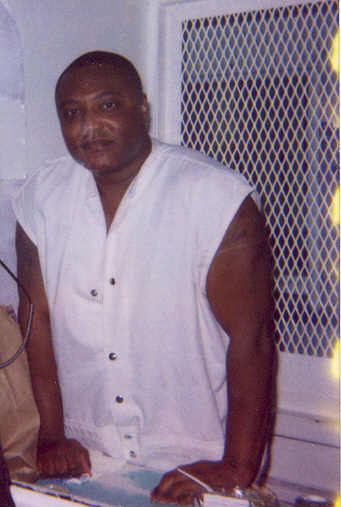 Innocent Texas death-row inmate Anthony Graves was released earlier this week from the Burleson County Jail.
  Texan Cameron Todd Willingham
  include 1)
  I have been at a conference and hadn’t had time to chime in on Sherman Dumpster Baby Lady. After leaving her newborn in a dumpster behind a restaurant, she finds herself in quite a legal pickle.
 The Supreme Court