 Sherman & Plano, TX Criminal Defense Lawyer Blog


 I read a good article in the Dallas Morning News earlier this year about the DWI surcharge, and whether the Texas legislature would have the brains to end this failed program. Unintended consequences should always be thoroughly considered before levying a huge “surcharge” on driver’s licenses. I guess it’s kind of hard to think of unintended consequences when you only have six months to pass a bill, but five years of failed policy should at least get the item on the agenda this session.
Contrary to popular belief, the huge “surcharge” or DWI-tax-that-we-can’t-call-a-tax-because-then-it’s-unconstitutional, was passed as a way to raise revenue during a legislative session in which Texas once again found itself overbudget. Unfortunately, DWI defendants, who like most criminal defendants are indigent, failed to be the gold mine that our elected officials envisioned.
Of course, heaven forbid we consider making first-time driving while intoxicated an offense in which deferred adjudication probation is an option, to at least it bring it on par with sexual assault, drug delivery, robbery, and other apparently more “deferred worthy” offenses in Texas. Maybe then citizens who plead guilty to DWI would have more of a chance of keeping or getting a good job, whereby they could pay their outrageous surcharge.
 Concerned citizen Jim Wolfe wrote a tart letter to the editor of the Sherman Herald Democrat that he is
  The great “hidden fee” of DWI convictions, which neither the prosecutor nor the judge will tell you when one of them tries to talk you into pleading guilty without a lawyer, is the $1,000 to $2,000 a year “surcharge” tax you will pay for three years to keep your right to drive. As if the arrest, posting bail, shopping for an attorney, fighting the ALR hearing process, getting an occupation license if you are unsuccessful, and going through the Court process wasn’t enough, our legislature added this tax as one last giant hammer to wack those convicted of DWI (the guilty, the innocent, the underrepresented, and those talked into not having a lawyer) over the head with on the way out the door.
 In the middle of this sea of injustice is the lonely, scared, powerless citizen branded “defendant” by the system. The citizen has been accused of a crime he hasn’t committed and knows nothing about crime or law or justice or defending himself. In our society, an accusation goes a long way. In people’s heart of hearts a person is guilty until proven innocent once a nasty (although false) allegation is made. Back that false accusation up with an officer with a badge and a gun, and we may have a conviction.
 Often I get asked how I can defend people accused of heinous crimes, or even small crimes. How can you defend criminals? How can you defend the guilty (as if everyone trapped in our justice system is guilty)? Normally this question comes from somebody looking down their nose and implying that it is morally questionable or ethically borderline to defend honest citizens accused of crime, whether they did it or not.
 His first performance of self-mutilation not being enough, Sherman, Texas death row inmate Andre Thomas
  Federal law, especially 18 U.S.C. section 922, provides additional limitations on where you can carry. First, it outlaws a person “knowingly to possess a firearm that has moved in or that otherwise affects interstate or foreign commerce at a place that the individual knows, or has reasonable cause to believe, is a school zone.” The term “school zone” means A) in, or on the grounds of, a parochial or private school; or B) within a distance of 1,000 feet from the grounds of a public, parochial, or private school. “School” means a school which provides elementary or secondary eduaction, as determined under State Law. This Federal section does not apply to possession of a firearm 1) on private property not part of school grounds; 2) to a person properly licensed to carry in a school zone; 3) a firearm that is unloaded and locked in a container or on a rack; 4) for use in a program approved by a school in the school zone; 5) or that is unloaded and possessed by an individual while traversing school premises for the purpose of gaining access to public or private lands open to hunting. 18 U.S.C. section 930 additioanlly prohibits carrying weapons on the actual premises (buildings and parts thereof) of property owned or leased by the Federal government or by the Federal Courts.
 If you are convicted at trial, but the court in which your case is heard is not a “court of record,” i.e. there is not a court reporter present and dictating the record for review on appeal, you have the right to force a new trial in its entirety in a higher court. This is done by filing an appellate bond in the lower court within 10 days after the date the judgment was entered. This should be done in accordance with articles 45.0425 and 45.0426 of the Code of Criminal Procedure.
 It is in the news daily that guns and ammunition are selling at record rates. This article is to help you understand some of the current law regarding your right to bear arms, primarily the places you are not allowed to carry in Texas. Concealed license holders have a more extensive set of rules that are not focused on here.
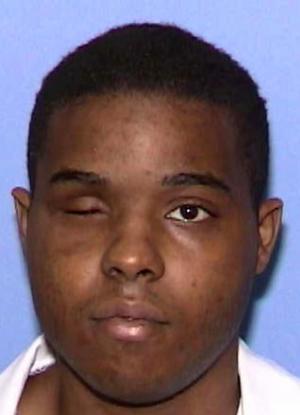 A million words have been written about Andre Thomas, the Sherman, Texas death row inmate whose brutal act of capital murder I will not describe here. Needless to say, infant children and their mother were killed by knife in about as grotesque of a manner possible.